Remote Design Jobs: How to Build a Career From Anywhere

Remote design jobs let designers work for clients and companies worldwide without moving cities or commuting. Many design teams now hire fully remote or hybrid staff, so strong designers can build full careers from home or while traveling. This guide explains the main types of remote design roles, skills you need, and practical steps to get hired.
What “Remote Design Jobs” Actually Mean Today
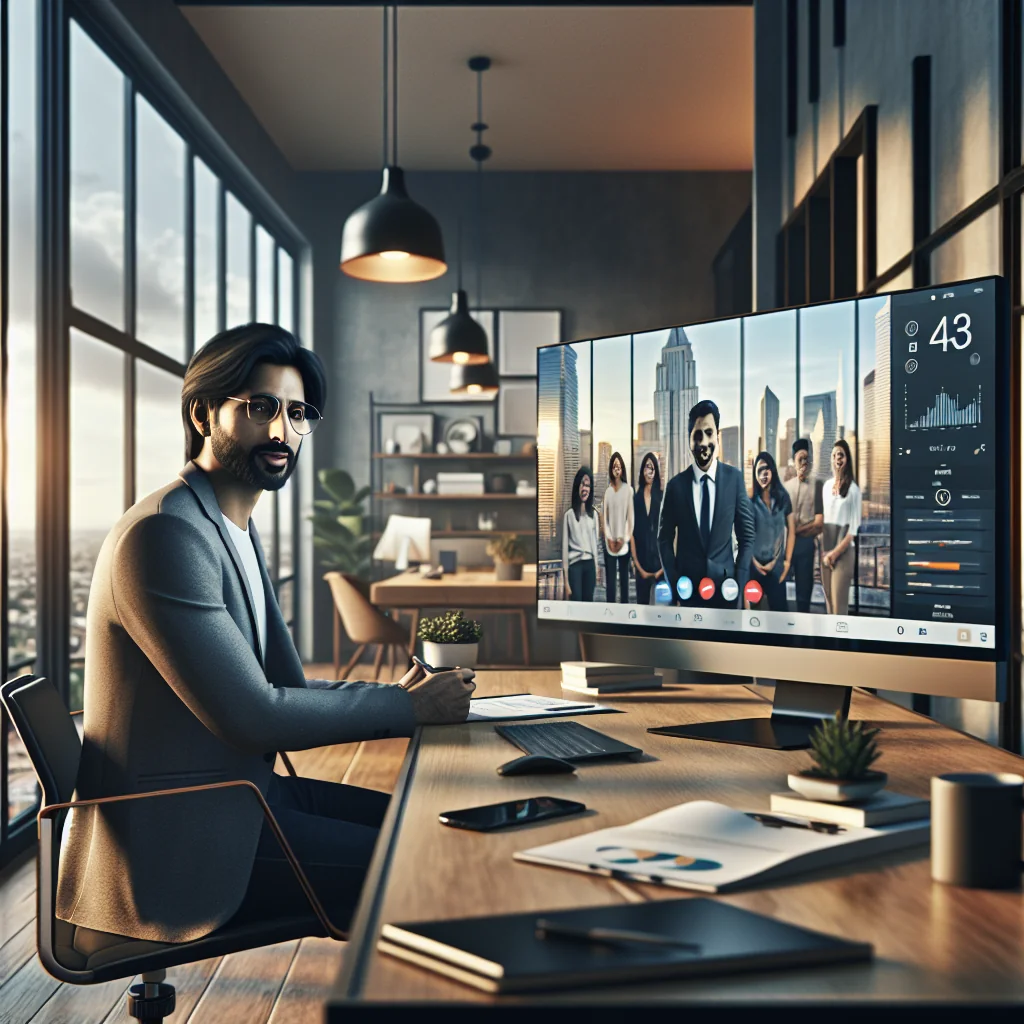
Remote design jobs cover any design role where most or all work happens online. Designers join video calls, share files in the cloud, and collaborate in tools like Figma, Miro, or Slack.
Some roles are fully remote with no office at all. Others are “remote-friendly,” which means you can work from home but might visit the office a few times a year.
Many companies now hire designers across time zones. That gives you more options, but also more competition, so a strong portfolio and clear communication matter more than ever.
Popular Types of Remote Design Jobs
Design covers many specialties. Knowing the main types of remote design jobs helps you pick a focus and target the right employers.
Below are the most common categories you will see in job ads and on hiring platforms.
Here are key types of remote design jobs and what they focus on:
- Product / UX Designer – Researches users, defines flows, and designs digital products like apps and dashboards.
- UI Designer – Focuses on visual layout, components, and interaction states for screens and interfaces.
- Visual / Graphic Designer – Creates branding, social graphics, ads, print materials, and marketing visuals.
- Web Designer – Designs marketing websites and landing pages; often works with Webflow, WordPress, or similar tools.
- Brand / Identity Designer – Builds logos, color systems, and brand guidelines for companies and products.
- Product Designer (Physical + Digital) – Sometimes blends industrial design with digital interfaces for hardware products.
- Motion / Interaction Designer – Designs animations, micro-interactions, and motion systems for UI and video.
- UX Writer / Content Designer – Crafts interface copy, error messages, and product content that supports user flows.
Many designers mix two or three of these areas, such as UX and UI, or branding and web. For remote work, generalists often fit small teams, while specialists fit larger companies.
Core Skills You Need for Remote Design Work
Remote roles use the same design fundamentals as office jobs, but with extra focus on communication and self-management. Hiring managers look for a blend of craft, process, and soft skills.
Think about these as three main groups: design skills, remote collaboration, and professional habits.
Design Craft and Tools
Every design job starts with strong craft. You do not need to master every tool, but you should be fluent in at least one in each key area.
For digital product and UI work, Figma is now a standard, with Sketch and Adobe XD still used in some teams. For visual and brand design, Adobe Photoshop and Illustrator remain common, with tools like Affinity or Canva as extras.
Beyond tools, hiring managers look for clear visual hierarchy, spacing, typography, and consistent use of color and components.
Remote Collaboration Skills
Remote design jobs rely heavily on written and video communication. You often need to explain design decisions in writing, record walkthroughs, or present in online calls.
Teams also expect you to give and receive feedback in shared tools. Clear comments, version control, and tidy files show that you think about teammates, not just your own work.
Comfort with async work is key. That means documenting decisions, summarizing meetings, and sharing updates without waiting for live calls.
Professional Habits and Self-Management
Remote designers need strong self-management, since no one sees you at a desk. You must plan your day, set realistic deadlines, and signal early if you are blocked.
Time zone gaps mean you often work more independently. Good remote designers break projects into clear milestones and share progress often, so stakeholders trust the process.
Simple habits like keeping a shared to-do list, writing short daily updates, and turning up on time for calls go a long way in remote teams.
Where to Find Remote Design Jobs Online
You can find remote design jobs on general job boards, design-specific platforms, and freelance marketplaces. Each has its own style of roles and clients.
Using a mix of sources usually gives the best results, especially early in your search.
General Job Boards With Remote Filters
Large job sites often have strong remote filters. Search for “remote” or “work from home” and then narrow by “design” or your specialty.
On these sites, you will see roles from startups, agencies, and bigger tech companies. Read the fine print to check if the role is truly remote or limited to certain regions.
Design-Focused Job Boards
Design-focused boards often list better curated roles. You will find more UX, product, and brand design jobs, with clearer portfolios and process expectations.
Many of these boards allow you to filter by “remote” or “global.” Some also share salary ranges or show if a company has a remote-first culture.
Freelance Platforms and Marketplaces
Freelance platforms can be a good start if you want project-based remote design work. These sites connect you with clients who post one-off or ongoing gigs.
Rates vary widely, and competition can be high. A strong, focused profile and clear niche help you stand out.
Comparing Common Remote Design Job Paths
Remote design careers can follow different paths depending on your focus and work style. The comparison below gives a quick view of how several popular paths differ.
Use this as a snapshot to decide which mix of skills, work type, and team setup fits you best.
Overview of popular remote design job paths and how they differ:
| Role Type | Main Focus | Typical Clients or Employers | Best For Designers Who |
|---|---|---|---|
| Product / UX Designer | User research, flows, product strategy | Tech companies, SaaS startups, product teams | Enjoy problem solving and long-term product work |
| UI or Visual Designer | Interface layouts, components, visual systems | Agencies, in-house teams, design studios | Like pixel-level detail and visual polish |
| Brand / Marketing Designer | Brand identity, campaigns, social graphics | Marketing teams, agencies, small businesses | Prefer storytelling and fast campaign cycles |
| Web Designer | Marketing sites, landing pages, basic UX | Startups, online shops, service businesses | Enjoy shipping many small projects each year |
| Freelance Generalist | Mix of branding, web, and product work | Varied clients, often small to mid-size | Value freedom and variety over stability |
This table does not cover every role, but it highlights the main trade-offs. You can move between paths over time as your skills and interests change.
Step-by-Step: How to Get Hired for Remote Design Jobs
A clear process will save you time and help you land better roles. Follow these steps to move from “interested” to “hired” in a structured way.
You can repeat this loop every few months as your portfolio and skills grow.
- Choose your main design focus. Decide if you want to market yourself as a product designer, UX/UI designer, brand designer, or another clear niche. You can still show range, but your headline should be specific.
- Audit and refine your portfolio. Select 3–6 strong projects that match your target roles. For each, write a short story: problem, role, process, and outcome. Use clear visuals and short captions rather than long blocks of text.
- Set up a clean online presence. Create or update a personal site or portfolio platform profile. Make sure your LinkedIn and any design communities show the same title, skills, and recent work.
- Prepare remote-friendly application materials. Write a short, focused resume that highlights remote skills: async communication, tools, and time zones you work in. Draft cover letter templates you can adapt for each role.
- Search and track roles in batches. Spend set blocks of time searching “remote design jobs” across several platforms. Save roles that match your skills, then track them in a simple spreadsheet with deadlines and status.
- Customize each application. For each role, adjust your summary, highlight matching projects, and mention specific tools or domains from the job ad. Short, targeted applications beat long, generic ones.
- Prepare for remote interviews and tasks. Practice presenting a case study over video. Test your sound, camera, and screen sharing. For take-home tasks, clarify the brief, timebox your work, and explain your decisions in a short write-up.
- Follow up and refine your approach. After interviews, send short thank-you notes. If you do not get the role, review what did not land: was it skills, examples, or communication? Adjust your portfolio and answers based on patterns.
This cycle turns job hunting into a repeatable process instead of random applications. Over time, your materials improve and interviews feel more natural.
How to Stand Out in a Crowded Remote Design Market
Remote design roles attract global applicants, so small details can set you apart. Focus on clarity, proof, and a bit of personality.
You do not need to be the “best” designer. You just need to be the clearest match for a specific role.
Show Clear Outcomes, Not Just Pretty Screens
Hiring managers want to see impact. For each project, explain what changed: more sign-ups, smoother flows, fewer support tickets, or clearer messaging.
If you lack numbers, describe qualitative outcomes such as “reduced steps from eight to four” or “user testing showed fewer errors.” Honest, simple outcomes build trust.
Make Collaboration Visible in Your Work
Remote design jobs are team jobs. Mention how you worked with developers, product managers, writers, or marketers.
In case studies, note where feedback changed your direction, or where you documented decisions for others. This shows that you design with a team, not in isolation.
Communicate Like a Remote Teammate From Day One
Your emails, messages, and application materials already show how you will work in a remote team. Write clear subject lines, short paragraphs, and direct questions.
During interviews, summarize what you heard and confirm next steps. This simple habit signals that you will be easy to work with across time zones.
Balancing Freelance and Full-Time Remote Design Jobs
Remote design work comes in two main flavors: full-time roles and freelance or contract work. Both can be done from anywhere, but they offer different trade-offs.
Choosing the right mix depends on your risk comfort, income needs, and how you like to work.
Pros and Cons of Full-Time Remote Roles
Full-time remote jobs usually offer stable income, benefits, and a defined team. You can focus on depth within a product or brand over time.
The trade-off is less control over your schedule and project choice. You may also need to align your hours with a company’s main time zone.
Pros and Cons of Freelance Remote Design Work
Freelance remote design can offer more freedom and variety. You pick clients, set rates, and shape your schedule.
However, you must handle sales, contracts, and invoices. Income can rise and fall, so you need a plan for slow months and a clear pipeline of leads.
Building a Long-Term Career in Remote Design
Remote design jobs can support a full career, not just short gigs. To grow over time, think about both skill depth and your network.
As you gain experience, you can move into senior, lead, or manager roles, or specialize further in research, systems, or strategy.
To keep growing in remote design, focus on three habits:
First, keep learning: follow design blogs, courses, and communities, and practice new patterns in small side projects. Second, stay visible: share case studies, process notes, or small tips on professional platforms or design forums. Third, build long-term relationships: stay in touch with past teammates and clients, since many future roles and referrals come from people who already trust your work.