Remote Design Jobs: How to Build a Flexible Design Career
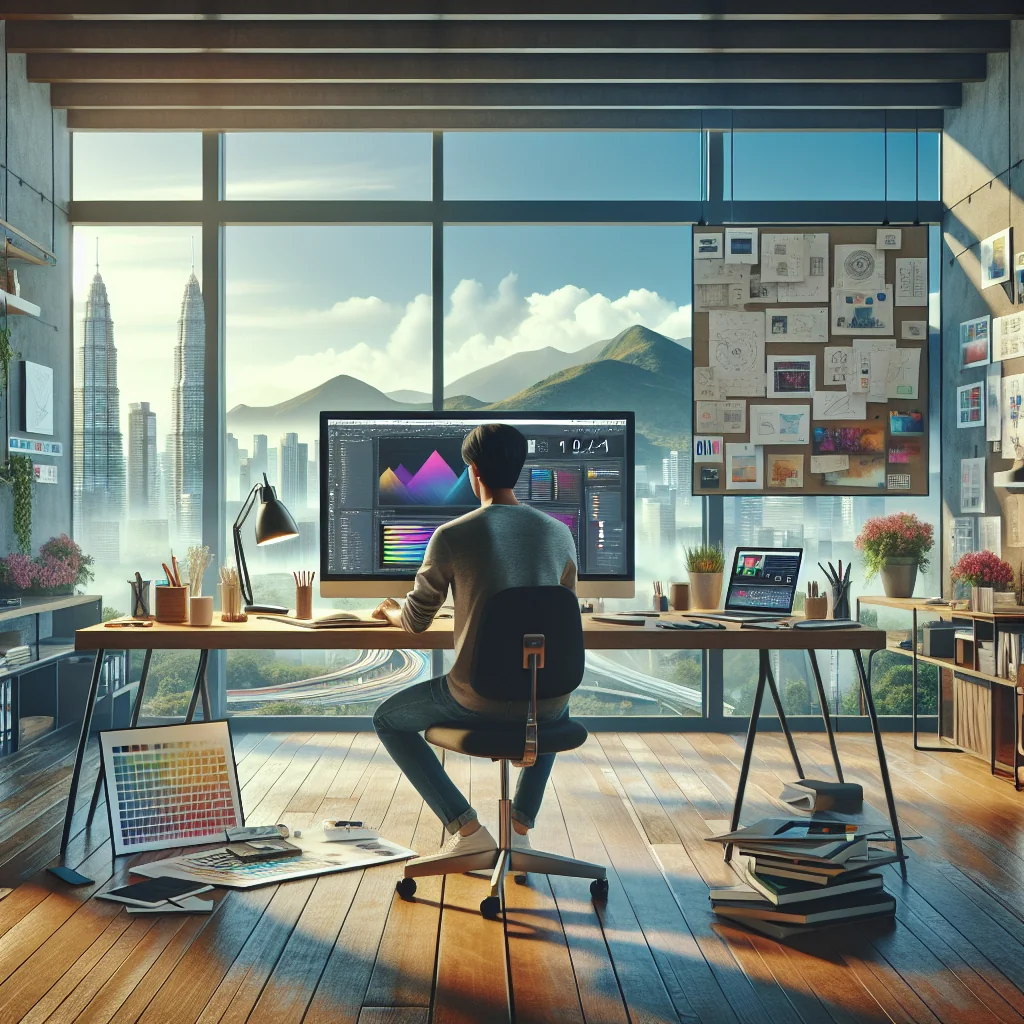
Remote design jobs let designers work from almost anywhere while staying close to creative work. Many designers now choose remote roles for flexibility, better focus, and wider job options. This guide explains what remote design work looks like and shows you how to find and land strong roles, step by step.
What Remote Design Jobs Actually Look Like Day to Day
Remote design work covers a wide mix of tasks, tools, and communication habits. Most remote designers spend their day moving between focused design time and short syncs with product, marketing, or engineering teams. Clear communication matters more than in many office roles, because your work has to speak for you.
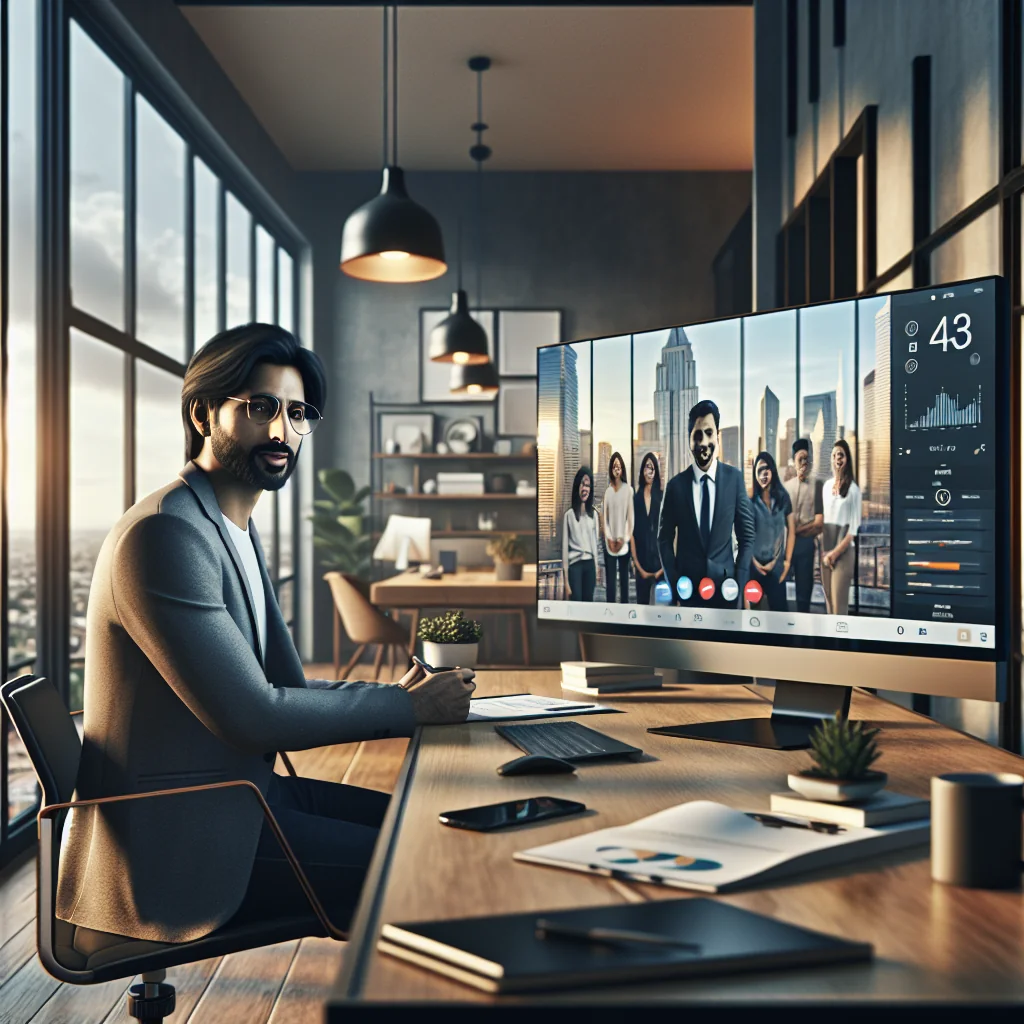
Most companies expect remote designers to join video calls, share screens, and present work in tools like Figma, Miro, or Slides. Written updates in Slack or email often replace quick desk chats. Strong documentation and clear naming in files become part of your design craft.
Time zones shape the schedule for many remote design jobs. Some roles are fully async with flexible hours. Others expect overlap with a specific region. Read job posts closely so the time expectations match your life.
Typical Schedule Patterns for Remote Designers
Remote designers often group meetings into a few hours and protect long blocks for deep work. Many teams agree on core hours for live calls and leave the rest flexible. Over time, you can adjust habits so your energy peaks match the most demanding tasks.
Async teams rely on written standups or brief video updates instead of daily calls. This rhythm can feel quiet at first, but it gives designers more control over focus time. Tracking your own tasks and progress becomes part of the job.
Popular Types of Remote Design Jobs
Many design roles can be remote, but some adapt better than others. Knowing the main types helps you focus your search and shape your portfolio. Remote design jobs are especially common in digital products and online services.
Digital-first roles such as product design and UX design are the most common remote options. Visual and brand designers also work remotely, especially for tech, SaaS, and global agencies. Motion and marketing designers often combine project work across several teams.
Some design roles, like industrial design or physical packaging, still need more in-person work. Those jobs may offer hybrid options but are less likely to be fully remote.
Remote-Friendly Design Specializations
Specializations that focus on screens, services, and content translate best to remote setups. These include product interfaces, mobile apps, websites, and digital campaigns. Work that depends on hardware labs or physical prototypes usually needs more time onsite.
Designers who can work across several digital areas gain more remote options. For example, a product designer who also understands content design or basic research can support smaller teams with broad needs.
Key Categories of Remote Design Roles
These design job types show up often in remote listings. Each category values slightly different skills and portfolio pieces. Focusing your search makes it easier to filter the many remote design jobs on large job boards.
- Product / UX Designer: Focus on user flows, wireframes, prototypes, and usability. Common in tech, SaaS, and startups.
- UI / Visual Designer: Focus on layouts, visual systems, design systems, and interface polish.
- UX Researcher / Service Designer: Plan and run research, map journeys, and shape end-to-end experiences.
- Brand / Marketing Designer: Work on campaigns, websites, social graphics, and brand systems for remote teams.
- Motion / Interaction Designer: Create animations, micro-interactions, and video or product motion pieces.
- Freelance / Contract Designer: Short-term or part-time projects across clients, often fully remote.
Each category can be remote-friendly if the work is mainly digital and collaboration tools are in place. Choose one or two focus areas to market yourself clearly to hiring managers. A clear focus makes your portfolio easier to understand in a quick screen.
Matching Your Background to a Role Category
Look at your past projects and note which type they match best. Interface-heavy work points toward product or UI design, while campaigns and visuals point toward brand or marketing design. Research-heavy work may align more with UX research or service design.
Once you pick a direction, rewrite your portfolio and resume to match that language. A focused story helps recruiters connect your experience with their open remote design jobs.
Skills Remote Design Employers Look For
Remote design jobs still need strong craft skills, but employers also look for self-management and communication. Hiring teams want to know that you can move work forward without heavy supervision. They also want proof that you can explain design choices in simple language.
Tool skills matter, yet tools change quickly. Focus on core skills like layout, typography, interaction patterns, and research method basics. Show that you can learn new software and adapt to a team’s stack.
Soft skills like feedback handling, writing, and basic project planning stand out in remote settings. A designer who writes clear notes and documents decisions saves the team time, which hiring managers notice.
Remote Collaboration and Communication Skills
Strong remote designers treat communication as part of their craft. They write short, clear updates and share early drafts instead of waiting for perfect work. They also ask focused questions so teammates can respond quickly across time zones.
To signal this skill, include examples of design specs, meeting notes, or workshop summaries in your portfolio. These artifacts show how you help a remote team stay aligned.
Step-by-Step Guide to Finding Remote Design Jobs
Use a clear process instead of sending random applications. This simple sequence helps you find better remote roles and spend less time on low-fit jobs. Consistent action each week matters more than a single big push.
- Define your target role and level. Decide if you want product, brand, or another design path, and be honest about your level (junior, mid, senior). This shapes your portfolio and keyword choices.
- Refresh your portfolio for remote work. Highlight 3–6 projects with strong case studies. Show process, decisions, outcomes, and how you worked with remote or cross-functional teams.
- Optimize your resume and profiles. Use keywords like “remote,” “distributed team,” “async,” and your main role title. Add tools commonly used in remote teams, such as Figma, Notion, Jira, or Slack.
- Search on remote-focused job boards. Use filters for “remote,” “work from anywhere,” or specific regions. Save searches for “remote design jobs” and set alerts so roles come to you.
- Check company career pages directly. Many global companies hire remote designers but post first on their own sites. Look for “remote-first” or “distributed” in their culture descriptions.
- Network with other remote designers. Join design communities, Slack groups, or Discord servers. Share your work, ask for feedback, and watch their #jobs or #opportunities channels.
- Customize each application. Write short, focused cover notes. Mention why remote work with that company makes sense for you and how your experience fits the role.
- Track and follow up. Use a simple spreadsheet or Notion board to track roles, dates, and status. Follow up politely after a week or two if you have not heard back.
This process looks simple, but consistency is the real advantage. Many designers apply in bursts and then stop. A steady weekly habit wins in the long run and increases your odds of landing strong remote design jobs.
Sample Weekly Job Search Rhythm
You can turn the steps above into a light weekly routine. For example, spend one evening updating your portfolio, another scanning boards, and a third customizing applications. Keep one small block for networking and checking in with contacts.
Short, regular sessions reduce stress and prevent burnout. You stay active in the market without letting the search consume all your creative energy.
Optimizing Your Portfolio for Remote Design Roles
Your portfolio does more work in remote hiring because many teams skip in-person meetings early on. Recruiters often decide within minutes whether to move you forward, so clarity is key. A small number of strong case studies beats a long gallery of loose shots.
For remote design jobs, show how you communicate and collaborate. Include screenshots of comments, workshop boards, or design system documentation where possible. Explain how you handled feedback cycles and handoffs with engineers or marketers.
Use plain language to describe your projects. Explain the problem, your role, the process, and the outcome. If you cannot share numbers, describe impact in general terms, such as “helped increase sign-ups” or “reduced support tickets for this flow.”
Structuring Case Studies for Remote Review
Remote reviewers skim, so structure each case study in a predictable way. Start with a brief summary, then outline the challenge, your role, process, and results. Add short captions to images so the story is clear even without live narration.
End each case study with a reflection section. Share what you would do differently next time and what you learned about working with remote or cross-functional teams.
Where to Find Remote Design Job Listings
Remote design roles appear across many platforms, but some patterns repeat. You can save time by focusing on channels that often host design-friendly remote positions. Combine public job boards with quieter community spaces for a better mix.
Large job sites now include strong remote filters. At the same time, smaller, design-focused boards and newsletters can surface roles that receive fewer applications. Design communities and social media posts from hiring managers can also lead to interviews.
As you search, track which channels give you callbacks. Over time, shift more effort toward the sources that match your skills and goals.
Comparing Common Remote Design Job Sources
The table below compares typical sources for remote design jobs and what they are best for.
| Source Type | Best For | Pros | Trade-offs |
|---|---|---|---|
| Large job boards | High volume of remote design listings | Easy filters, broad reach, quick alerts | Heavy competition, many generic roles |
| Design-specific boards | Design-led companies and creative teams | More curated roles, better design focus | Fewer listings, some roles fill fast |
| Company career pages | Remote-first or distributed organizations | Direct contact, clearer culture signals | Manual search, no central filter |
| Design communities | Hidden or early-stage job posts | Warm intros, feedback, and support | Requires active engagement and time |
| Social platforms | Roles shared by hiring managers | Personal connection, chance to stand out | Unstructured, easy to miss posts |
Mix two or three of these channels instead of trying to use every option. A focused set of sources keeps your search manageable while still exposing you to a wide range of remote design jobs.
How to Stand Out in Remote Design Interviews
Remote interviews test both your design skills and your ability to work well online. Many teams run a mix of portfolio reviews, whiteboard or workshop-style sessions, and culture chats. Prepare for each type so you can show your strengths clearly.
Set up your space in advance. Check your camera, microphone, screen share, and internet connection. Have your portfolio, notes, and any prototypes open in tabs so you can move smoothly.
During interviews, speak a bit slower than usual and check for understanding. Summarize questions before answering. This shows good communication habits, which matter a lot for remote work.
Presenting Design Work Over Video
When presenting remotely, keep slides or frames simple and text light. Guide interviewers through the work by sharing your screen and narrating the story in short sections. Pause often to invite questions and confirm that everyone can see the content.
Have backup options ready, such as a PDF of your work, in case tools fail. Staying calm and flexible during small glitches shows that you handle remote work pressures well.
Challenges of Remote Design Jobs and How to Handle Them
Remote design work brings real benefits, but also some challenges. Isolation, miscommunication, and blurred work-life lines come up often for designers who work from home. Planning for these issues early helps you stay healthy and effective.
Communication can feel harder without hallway chats. Use more written updates, share early drafts, and ask for clear feedback. Visual summaries and short video messages can reduce confusion across time zones.
Burnout is another risk. Set work hours, even if they are flexible. Use a separate space for work if you can, and block time for deep design work without constant messages.
Staying Connected and Avoiding Isolation
Many remote designers feel lonely at times, especially on small teams. To counter this, schedule regular one-to-ones with peers, join online meetups, or work from a shared space once in a while. Light social contact during the week can lift your mood.
Inside your team, suggest short, optional hangouts or design critiques. These sessions help build trust and give you a place to share early ideas before formal reviews.
Is a Remote Design Job Right for You?
Remote design jobs suit many designers, but not every person enjoys this style. Some designers miss in-person workshops or find home environments distracting. Others thrive with quiet focus and global teams.
Think about your ideal day. If you like planning your own schedule and writing things down, remote work may fit you well. If you prefer high-energy offices and live collaboration, a hybrid role could be better.
You do not have to choose once for your whole career. Many designers move between office, hybrid, and remote roles as their life changes. Treat remote design work as one strong option in a flexible career path.
Checking Your Fit for Remote Design Work
Ask yourself a few simple questions about habits and preferences. Do you manage time well without outside pressure? Can you explain ideas clearly in writing? Are you willing to set boundaries so work does not spill into every hour?
Your honest answers will help you decide how fully to lean into remote design jobs right now. You can always adjust later as your skills, needs, and life situation change.